
Blog
What Happens If Defects Appear After a Building Project?
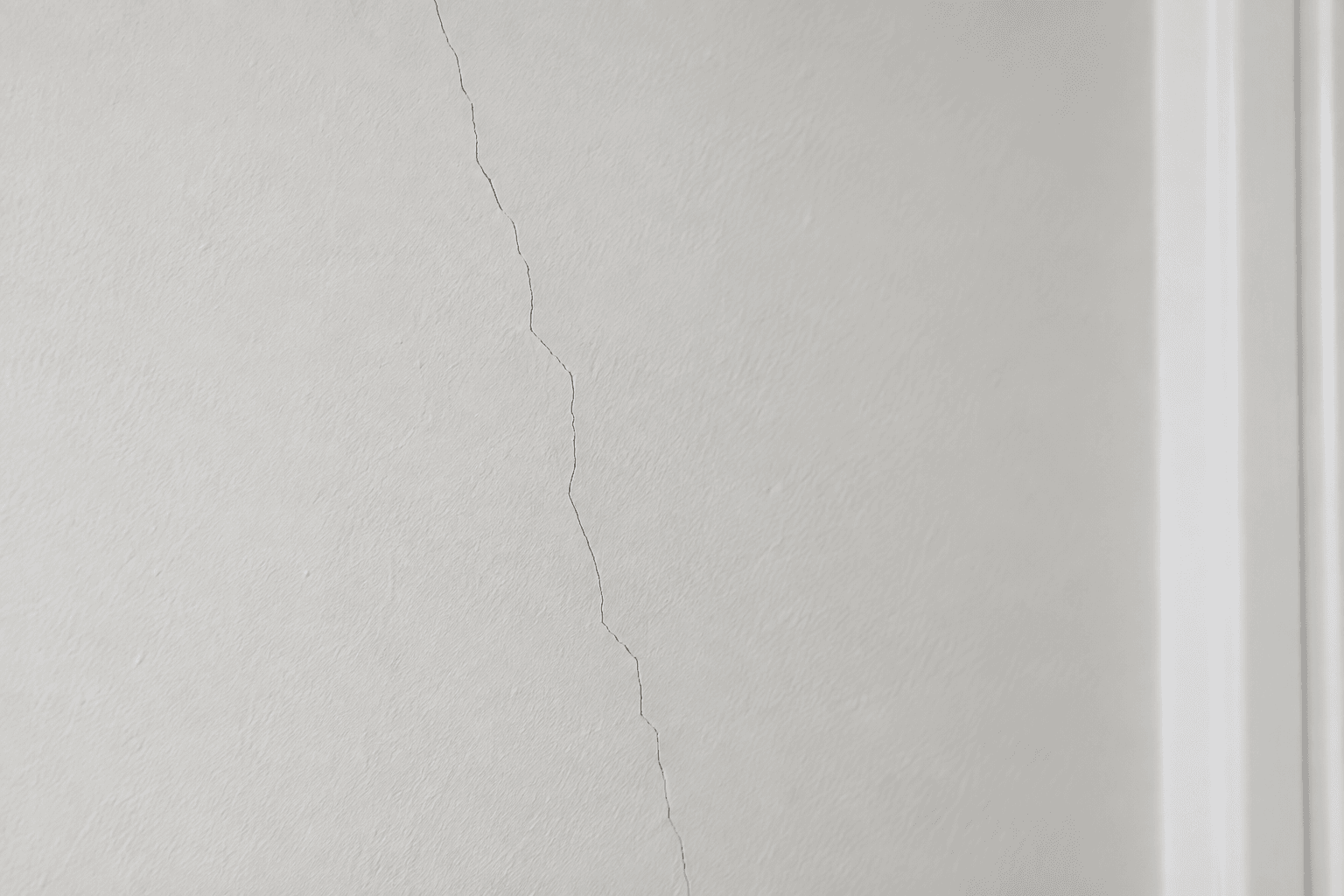
What a defect can tell you, and what it cannot
A problem that appears after handover (often called practical completion) is not always straightforward to diagnose. A crack, damp patch or door that no longer closes properly is a sign that something has changed. It does not, on its own, tell you whether the cause is a finish, a building junction, movement or another issue.
That distinction matters. Treating the visible symptom without understanding its cause can leave the underlying problem in place. A stain might be redecorated, for example, but if moisture is still reaching the surface, it is likely to return. A door can be adjusted, but if the opening has moved, adjustment alone may not resolve the reason it started sticking.
How problems develop
Building work brings different materials and trades together. A defect can occur where those parts meet, rather than within one obvious item. Water may find a route through a gap where materials meet. A finish may crack where materials move differently. A service route or fitting may affect adjacent work if the point where they meet nearby work has not been properly dealt with.
Some signs are immediate. Others take time to become visible because a small issue gradually affects a larger area. Repeated staining, a crack that appears to extend, or a fault that returns after a surface repair deserves more attention than a one-off mark with no change. The important question is whether the sign is stable, recurring or spreading, and whether other symptoms appear alongside it.
This is why a single photograph may not be enough to explain what has happened. The location, the surrounding materials and the history of the symptom all help build a clearer picture.
What to record before raising a concern
You can make an investigation more useful by keeping a simple record:
- Note the exact room and location, such as which wall, corner or fitting is affected.
- Take clear photographs that show both the detail and its position in the room.
- Record when you first noticed it and whether it has changed or returned.
- Describe any related signs, such as a nearby stain, a change in how a door operates or a finish becoming loose.
- Keep relevant handover information and any earlier messages together, so the sequence of events is easier to follow.
Stick to what you can observe. You do not need to decide whether the cause is structural, moisture-related or a workmanship issue before reporting it. A confident guess can send attention in the wrong direction, while a clear account of what has changed is useful to the person assessing it.
Avoid covering up the evidence
It can be tempting to fill a crack, repaint a mark or adjust a fitting as soon as it becomes annoying. For a minor cosmetic issue, that may seem simple. But if the symptom is recurring, growing or linked to water, covering it can make it harder to see its extent and whether it is changing.
If there is water getting in, deal with any immediate safety concern first and contact an appropriately qualified person. Do not dismantle building elements or attempt work on electrical or structural components to investigate a suspected defect. Your role is to note what is happening and report it clearly, not to prove the technical cause yourself.
What a useful assessment should establish
A meaningful assessment looks beyond the visible mark. It should consider where the issue is, what materials and work meet there, whether there are related symptoms, and whether the condition is changing. It may also need to distinguish a finish issue from a problem that affects the construction beneath it.
Once the likely cause is understood, the appropriate next step becomes clearer. That could involve correcting a local finish, addressing a junction or investigating a wider source of movement or moisture. The repair should respond to the cause, not just make the symptom less visible. If the cause is uncertain, further inspection may be needed before deciding what work is appropriate.
When raising the issue, ask what has been observed, what explanation is being considered and what action will confirm whether the problem has been resolved. Clear communication helps everyone focus on the same location and evidence, rather than relying on vague descriptions such as “the wall looks wrong”.
Handover is a milestone, not a diagnosis
Handover marks a stage in a project, but it cannot explain every symptom that may become noticeable later. If something appears, the most useful response is to record it, report it promptly and avoid assuming either that it is harmless or that the visible mark tells the whole story.
For building work in Brackley, Bicester and Northampton, we can discuss the work involved in a project and how we coordinate it. Read more about our Full Building Services if you are planning a building project.
Other Articles